

Joint inflammation can make walking, gripping, climbing stairs, or sleeping more difficult. For residents of Schenectady, NY, practical self-care may help reduce stiffness and improve daily function, especially when combined with an appropriate medical evaluation.
“Natural” management does not mean ignoring persistent symptoms or replacing needed treatment. The most useful approaches usually involve regular movement, balanced nutrition, adequate sleep, joint protection, and careful use of heat or cold.
What causes joint inflammation?
Joint inflammation may result from osteoarthritis, rheumatoid arthritis, gout, an injury, infection, or another medical condition. Symptoms can include swelling, warmth, stiffness, tenderness, and reduced range of motion.
Not all joint pain is caused by the same process. Osteoarthritis often produces pain and stiffness that worsen with repeated use, while inflammatory conditions may cause prolonged morning stiffness, visible swelling, or symptoms in several joints. A sudden hot, swollen joint requires prompt medical attention because infection or gout can sometimes look similar.
Can gentle movement reduce inflammation?
Yes. Regular, joint-friendly movement can reduce arthritis pain, improve function, support mood, and help maintain muscle strength. Avoiding activity completely may increase stiffness and weaken the muscles that help support painful joints. ([cdc.gov](https://www.cdc.gov/arthritis/prevention/index.html?utm_source=openai))
A practical starting plan is:
- Walk for five to ten minutes at a comfortable pace.
- Use a stationary bicycle, water exercise, or gentle dancing if walking is uncomfortable.
- Perform light strengthening exercises with resistance bands or body weight.
- Add balance exercises when appropriate, particularly for older adults.
- Increase duration or resistance gradually rather than making a large change at once.
Federal guidance generally encourages adults, including those with arthritis, to work toward 150 minutes of moderate activity weekly and muscle-strengthening activity on at least two days. That target can be divided into short sessions, and beginning with five minutes still provides a useful starting point. ([cdc.gov](https://www.cdc.gov/arthritis/prevention/index.html?utm_source=openai))
During colder months, icy sidewalks, snow removal, and prolonged indoor sitting can make stiffness more noticeable. Warming up indoors, choosing cleared walking surfaces, and taking brief movement breaks during sedentary activities may be more realistic than trying to complete one long workout.
Which foods may support lower inflammation?
A generally balanced, Mediterranean-style eating pattern may support overall health and may help reduce inflammation for some people. It emphasizes vegetables, fruits, beans, lentils, whole grains, nuts, seeds, olive oil, and fish while limiting highly processed foods, sugary drinks, and excess saturated fat. ([arthritis.org](https://www.arthritis.org/health-wellness/healthy-living/nutrition/anti-inflammatory/anti-inflammatory-diet?utm_source=openai))
Useful meal ideas include:
- Oatmeal with berries, walnuts, and plain yogurt
- Lentil or bean soup with vegetables
- Leafy greens with olive oil, beans, and whole grains
- Fish, vegetables, and brown rice
- Fresh or frozen fruit instead of frequently choosing sugary desserts
No single food reliably eliminates joint inflammation. Claims that one herb, supplement, or “detox” can cure arthritis should be viewed cautiously. Supplements may interact with prescription medicines or be unsafe for people with kidney, liver, bleeding, or heart conditions. Discuss supplements with a qualified healthcare professional before using them regularly.
Some people notice that particular foods coincide with symptoms, but broad food restrictions are not automatically helpful. A simple food-and-symptom record can identify patterns without eliminating many nutritious foods unnecessarily.
How do weight, sleep, and stress affect painful joints?
For people carrying excess body weight, even modest weight loss may reduce pain and disability related to several forms of arthritis, particularly arthritis affecting weight-bearing joints. Combining gradual nutritional changes with strength-building activity can help preserve muscle while improving mobility. ([cdc.gov](https://www.cdc.gov/arthritis/hcp/self-management/index.html?utm_source=openai))
Sleep also matters. Poor sleep can increase pain sensitivity, reduce motivation to move, and make everyday discomfort feel more intense. A consistent bedtime, a comfortable sleeping position, reduced evening screen exposure, and treatment of problems such as loud snoring or repeated nighttime awakening may help.
Stress does not mean that joint pain is imaginary. However, long-term stress can affect muscle tension, sleep quality, activity levels, and the way the nervous system processes pain. Slow breathing, brief mindfulness exercises, gentle stretching, and realistic daily routines can complement other forms of care.
Is heat or cold better for joint pain?
Heat is often more useful for stiffness, while cold may help with short-term swelling after activity or during a flare. Neither method treats the underlying cause, but both can make movement more comfortable. ([arthritis.org](https://www.arthritis.org/health-wellness/healthy-living/managing-pain/pain-relief-solutions/natural-relief-for-arthritis-pain?utm_source=openai))
Try a warm shower, heating pad, or warm towel for about 15 to 20 minutes before gentle movement. For swelling, use a cold pack wrapped in a cloth for short periods. Avoid placing extreme heat or ice directly on the skin, and do not fall asleep while using a heating device.
People with reduced sensation, circulation problems, or diabetes should use extra caution because burns and cold injuries may occur without being noticed quickly.
How can daily habits protect irritated joints?
Joint protection is often a matter of reducing repeated strain rather than stopping all activity. Helpful adjustments may include:
- Using both hands to lift heavier objects
- Keeping frequently used items within easy reach
- Alternating demanding tasks with lighter ones
- Taking brief breaks during computer, household, or yard work
- Choosing supportive footwear for walking and standing
- Using a railing on stairs and keeping walkways clear during snow or ice
- Avoiding sudden increases in shoveling, lifting, or recreational exercise
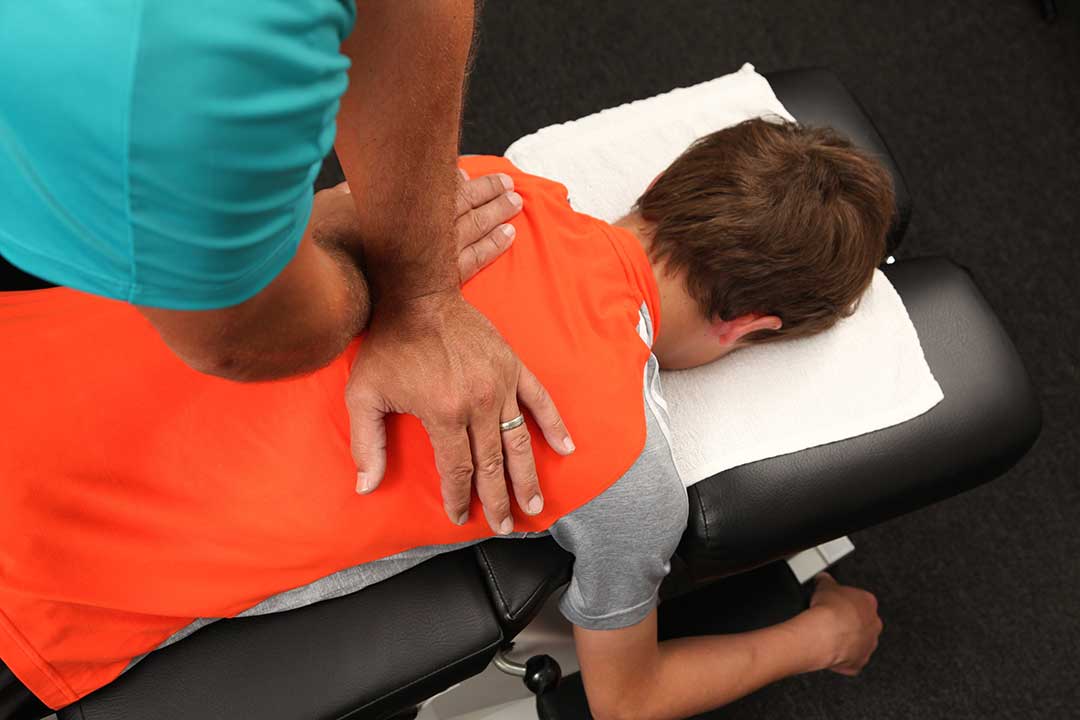
A chiropractor or other movement-focused provider may discuss posture, mobility, and ways to reduce mechanical stress. Persistent swelling, progressive weakness, unexplained symptoms, or suspected inflammatory arthritis may require assessment from a medical clinician, physical therapist, or rheumatology specialist rather than self-care alone.
When should joint inflammation be evaluated?
Seek prompt medical attention for a joint that becomes suddenly very painful, red, hot, and swollen, especially when accompanied by fever or feeling ill. Evaluation is also appropriate for:
- Pain after a significant fall or collision
- Inability to bear weight or use the joint
- New numbness, marked weakness, or loss of coordination
- Swelling that repeatedly returns
- Morning stiffness lasting longer than about 30 to 60 minutes
- Symptoms affecting several joints
- Pain that continues for more than a few weeks despite reasonable self-care
These patterns can signal gout, infection, inflammatory arthritis, a significant injury, or another condition that needs a specific treatment plan. Natural strategies can support comfort and function, but they should not delay care when warning signs are present.
