

Why does regular movement matter throughout the day?
Healthy movement is not limited to formal exercise. The body generally feels better when it changes position often, uses different muscle groups, and avoids long periods of uninterrupted sitting or standing.
For residents of Schenectady, NY, daily routines may include commuting, desk work, household tasks, walking in changing weather, caring for family members, or spending time indoors during colder months. These activities can create repeated physical patterns. A few simple movement habits can help reduce stiffness, improve body awareness, and make ordinary tasks more comfortable.
Movement should feel controlled and reasonably comfortable. The goal is not to force stretches, ignore pain, or maintain perfect posture every minute. It is to give the body regular opportunities to move in varied ways.
How often should someone move during the day?
Changing position every 30 to 60 minutes is a practical starting point for many adults. Even one or two minutes of movement can interrupt prolonged sitting and reduce the feeling of stiffness.
Useful movement breaks may include:
- Standing up and walking around the room
- Gently rolling the shoulders
- Moving the ankles through a comfortable range
- Taking several relaxed breaths while lengthening the spine
- Walking to refill water or complete a small household task
- Performing a few controlled sit-to-stand movements
A movement break does not need to be strenuous. Consistency matters more than intensity. A person who takes several brief breaks may feel better than someone who remains still most of the day and relies on one intense workout later.
What are practical ways to move more while working?
Workstation habits can influence the neck, shoulders, back, wrists, and hips. A comfortable setup helps, but even a well-arranged workstation cannot replace regular movement.
Try alternating between sitting and standing if possible. Keep frequently used items within easy reach so the body does not repeatedly twist or lean. When using a computer, allow the elbows to rest near the sides and keep the screen positioned so the head does not remain tilted downward for long periods.
Every hour, consider using a brief reset:
1. Place both feet on the floor.
2. Relax the shoulders without forcing them backward.
3. Take a slow breath.
4. Stand and walk for a minute or two.
5. Return to work in a comfortable position.
Phone use deserves attention as well. Holding a phone low for extended periods may increase neck and upper-back strain. Raising the device closer to eye level for short periods, switching hands, and taking frequent visual and movement breaks can reduce repetitive loading.
How can people protect their back during household tasks?
Household activities often involve bending, reaching, lifting, carrying, and turning. These movements are not inherently harmful, but repeating them quickly or while fatigued can increase discomfort.
For low tasks, use a hip-and-knee bend rather than folding repeatedly through the waist. Keep objects close to the body while carrying them. When moving an item from one surface to another, turn the feet and whole body instead of twisting sharply through the spine.
For heavier or awkward objects:
- Test the weight before lifting fully.
- Divide the load into smaller portions when possible.
- Use both hands and keep the object close.
- Avoid lifting while reaching far forward.
- Ask for help with unstable, oversized, or unusually heavy items.
Snow and cold-weather routines can add physical demands during the winter. Clearing walkways, carrying salt, dressing in bulky layers, and walking over slippery surfaces all require more attention to balance and pacing. Shorter work periods, stable footwear, and deliberate steps can help reduce avoidable strain. Pain, fatigue, or reduced balance is a reason to stop rather than push through.
What movement is helpful after sitting for a long time?
After prolonged sitting, gentle movement is usually more appropriate than aggressive stretching. The hips, back, and legs may feel stiff because they have remained in one position, not necessarily because something is damaged.
Begin with easy walking for a few minutes. Then try controlled movements such as:
- Five to ten slow sit-to-stand repetitions
- Gentle ankle pumps
- Comfortable hip shifting from side to side
- Shoulder blade movements
- Easy trunk rotation within a pain-free range
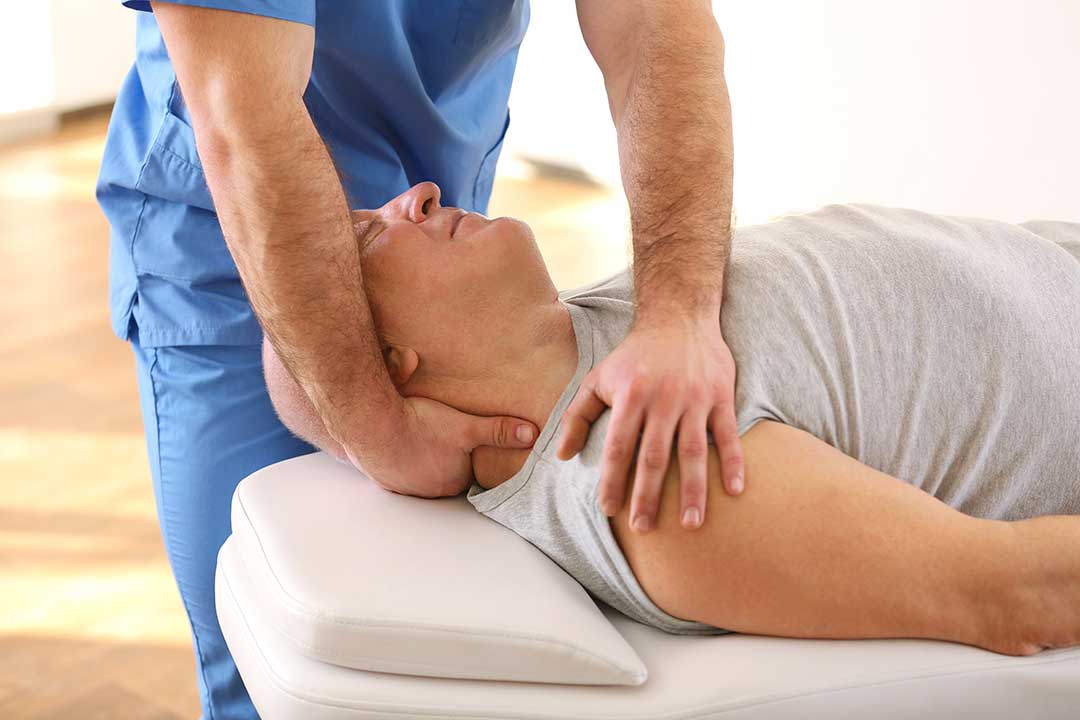
Avoid bouncing, forcing a joint beyond its comfortable motion, or trying to “crack” the back or neck forcefully. A gradual transition gives the body time to adjust.
Is good posture supposed to look the same all day?
No. Healthy posture is not one rigid position. The body usually tolerates a variety of positions better than a single position held for hours.
A useful posture check includes:
- Feet supported when sitting
- Hips and shoulders relaxed
- Head balanced rather than pushed forward
- Weight distributed comfortably
- Enough space to breathe without bracing
Slouching occasionally is not automatically harmful. Problems are more likely when a person stays in any position too long, works through increasing discomfort, or repeatedly uses the same movement pattern without rest.
Instead of trying to hold a perfect posture, change positions regularly. Sit back, stand up, walk briefly, or adjust the working surface. Movement variety is often more realistic and useful than constant posture correction.
How can walking become a manageable daily habit?
Walking is a flexible way to add movement without requiring specialized equipment. Start with a duration and pace that fit current ability. A few short walks may be easier to maintain than one long walk.
Indoor walking can be useful during icy, snowy, or very cold conditions. In warmer seasons, outdoor walking may include uneven ground, hills, or longer distances. Those changes should be introduced gradually, especially after a period of inactivity.
Comfortable shoes, a steady pace, and attention to the walking surface can reduce unnecessary stress. If walking produces sharp pain, repeated limping, unusual weakness, chest discomfort, or significant shortness of breath, stop and seek appropriate medical guidance.
What should someone do if movement causes pain?
Mild temporary stiffness or muscle fatigue may improve with rest and gentle movement. Sharp, worsening, burning, or radiating pain should not be ignored. The same applies to new numbness, loss of strength, changes in coordination, or pain following a fall or other injury.
Seek prompt medical evaluation for serious symptoms such as loss of bladder or bowel control, numbness in the groin area, severe weakness, unexplained fever with significant back pain, or pain accompanied by chest pressure or difficulty breathing.
For recurring but non-urgent discomfort, keep track of what triggers it, how long it lasts, and which movements help or worsen it. That information can make a medical evaluation more useful. Movement should be adjusted to current tolerance rather than treated as a test of willpower.
A realistic daily movement pattern
A balanced day might include a brief walk after waking, position changes during work, light movement during household tasks, and a few minutes of easy mobility in the evening. The routine does not need to be complicated.
The most useful habits are usually the ones that can be repeated: standing during a phone call, walking indoors during a work break, using careful lifting mechanics, changing positions before stiffness becomes pronounced, and respecting warning signs. These small decisions help make movement a regular part of daily life rather than something reserved for a workout.
