
The Everyday Reality of Heavy Backpacks
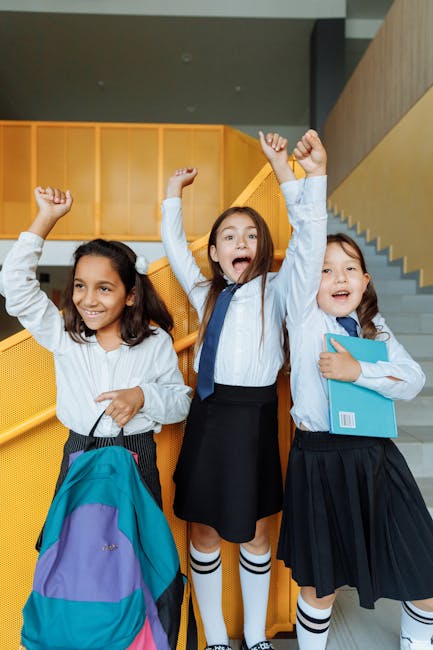
Every fall, as children in Schenectady, NY gear up for another school year, backpacks become an essential part of their daily routine. Books, laptops, lunch boxes, sports gear, and water bottles must all fit into one pack, often far exceeding healthy weight limits. While parents walk their kids to bus stops by Central Park or through the Stockade Historic District, many are unaware of the impact a heavy backpack can have on their child’s overall health.
Why Backpack Weight Matters
Children’s bodies are still growing, and their musculoskeletal systems are particularly vulnerable to strain. When a backpack is overloaded or improperly fitted, it can cause a host of issues, including:
- Poor posture
- Muscle and joint pain
- Compressed nerves
- Headaches
- Fatigue
In particular, these problems can manifest as back, neck, or shoulder pain, which is increasingly common in children across Schenectady schools.
How Much Should a Backpack Weigh?
According to the American Chiropractic Association and pediatric specialists, a child’s backpack should not weigh more than 10-15% of their body weight. For example, if your child weighs 70 pounds, their backpack should be no more than 7 to 10.5 pounds.
Unfortunately, studies show that children frequently carry much more than this recommended amount. School corridors at Schenectady High or Van Corlaer Elementary are often filled with students bearing packs that sometimes weigh up to one-quarter of their body weight.
Signs Your Child’s Backpack is Too Heavy
As a chiropractor in Schenectady, I often see parents who are unaware that their child’s backpack could be contributing to pain or discomfort. Watch for these signs:
- Complaints of back, neck, or shoulder pain
- Red marks on shoulders from backpack straps
- Trouble putting on or taking off the backpack
- Changes in posture – leaning forward or to one side
- Numbness or tingling in arms or hands
If you notice any of these symptoms, it’s time to evaluate and lighten your child’s load.
The Local School Life Perspective
Schenectady’s educational culture encourages diverse extracurricular involvement—from science clubs at Niskayuna to after-school sports in Hamilton Hill. This often means students must carry extra materials for multiple classes and activities. The trend towards bringing Chromebooks or laptops home, unfortunately, adds extra weight, especially if textbooks also come along.
Local walking routes, whether up the hills surrounding Eastern Avenue or longer commutes in Rotterdam, can amplify strain when a backpack is too heavy. It’s important for Schenectady parents to understand that even short daily walks can cause problems when children are overloaded.
Choosing the Right Backpack in Schenectady
With many local retailers and back-to-school sales, parents have options for supportive, ergonomic backpacks:
- Wide, padded shoulder straps: These distribute weight more evenly and reduce pressure.
- Padded back panel: Offers protection and improves comfort.
- Multiple compartments: Helps distribute weight to prevent shifting.
- Waist and chest straps: Additional support, taking pressure away from shoulders and spine.
When shopping at stores in Mohawk Commons or Crossgates Mall, bring your child along and check the fit. The backpack should sit even in the middle of the back and not hang more than four inches below the waistline.
Packing and Carrying Tips
Encouraging the right packing habits is key for long-term spinal health:
- Pack only what’s necessary each day: Remove unnecessary books, supplies, or gadgets.
- Heaviest items closest to the back: This helps center the load.
- Use both shoulder straps: Always.
- Tighten straps so the backpack fits close to the body: Reduces sway and muscle strain.
If necessary, consider a rolling backpack—but only if your child’s route to school makes this practical through local sidewalks and snow in the winter.
Preventing Backpack-Related Pain with Local Resources
Active Schenectady families can further reduce risk by promoting physical activity and core strength. Programs at the Schenectady YMCA or local martial arts studios help strengthen children’s musculoskeletal systems, making them better able to handle their daily loads.
It’s also wise to schedule regular posture checks, either at home or with a chiropractor, especially if your child reports discomfort. Professional advice can identify and address problems early, before they become chronic.
Frequently Asked Questions About Backpacks and Children’s Health
Q: *How do I know if my child’s backpack is safe?*
A: Weigh it. If it’s more than 10-15% of your child’s body weight, it’s too heavy. Observe for physical symptoms or changes in posture.
Q: *Are backpacks better or worse than messenger bags?*
A: Backpacks distribute weight across both shoulders. Messenger bags place all weight on one side, often causing greater strain.
Q: *Should my child see a chiropractor if they have backpack pain?*
A: If pain persists for more than a few days or recurs regularly, consult a Schenectady-area chiropractor for an assessment.
Q: *Can better ergonomics really prevent long-term issues?*
A: Yes. Proper backpack use and maintaining good posture now helps prevent future spinal problems and teach lifelong healthy habits.
Final Thoughts for Schenectady Parents
Backpacks are a fact of life for students throughout Schenectady, and with some awareness, they don’t have to be a hazard. Regularly monitoring your child’s backpack weight, encouraging smart packing, and modeling proper carrying techniques can make a significant difference in their comfort and long-term health.
Remember: prevention is always easier than treatment. Take a moment each week to check your child’s backpack—and speak with a local expert if you have concerns. A little vigilance now can protect your child’s spine for years to come.
