
Living in Schenectady, New York, bustling with outdoor activities at Central Park or long commutes to Albany, it’s common for folks to notice their joints cracking—whether it’s during morning stretches, after shoveling winter snow, or simply standing up from the couch after a night at the Proctors Theatre. But is joint cracking safe? Should you be concerned if your knees, back, or knuckles pop as you go about your day in the Capital Region? Let’s dive into what really happens when your joints crack, the science behind those popping sounds, and when it’s time to seek professional advice.
What Causes Joints to Crack?
Many Schenectady residents associate cracking joints with either relief or discomfort, but it’s helpful to understand what’s behind the phenomenon. The most common causes include:
- Cavitation: The majority of joint cracks are caused by a process called cavitation. Within your synovial joints, gases dissolved in the joint fluid (mainly nitrogen and carbon dioxide) form tiny bubbles. When you stretch or manipulate the joint, pressure within the joint changes, causing these bubbles to collapse or "pop," creating that familiar crack or snap.
- Tendons and Ligaments: Sometimes, a tendon temporarily shifts position and snaps back over a bony prominence, producing a clicking or popping sensation.
- Rough Joint Surfaces: Age, injury, or osteoarthritis—common in the humid upstate New York climate—can make surfaces of bones rough, sometimes creating a grinding, crunching sound called crepitus, especially in the knees.
Is Cracking Your Joints Harmful?
For years, myths swirled around the risks of cracking your knuckles or back. One widespread belief is that joint cracking leads to arthritis. However, extensive research has debunked this.
- No Link to Arthritis: Multiple studies, including a famous one by Dr. Donald Unger (who cracked the knuckles on one hand for decades), have shown no evidence that habitual knuckle cracking causes or worsens arthritis.
- Occasional Discomfort: You might notice mild discomfort or hand swelling if you excessively crack your joints, but this is rare and not a sign of long-term damage.
- When to Be Concerned: If the cracking is accompanied by pain, swelling, or loss of motion, this could signal injury or inflammation that needs evaluation—especially if you’re active in Schenectady’s sports leagues, work in a physically demanding job, or spend long hours at a desk.
Why Do Some People Enjoy Joint Cracking?
Some residents of Schenectady describe a sense of relief or relaxation after cracking their joints. Here’s why:
- Release of Pressure: Releasing the gas in the joint may reduce intra-articular pressure, creating a sensation of increased joint mobility.
- Endorphin Release: Like a stretch, the act of manipulating your body can release natural feel-good chemicals, adding mild pain relief. After a day spent exploring the Stockade Historic District on foot, a good stretch and a couple of satisfying cracks can feel refreshing!
Safe Ways to Address Stiff or Noisy Joints
If your joints feel tight or noisy, here are some safe tips that work for Schenectady’s active community:
- Stretch Regularly: Incorporate gentle, daily stretches, especially after walks along the Mohawk River or local hikes. Yoga classes at local studios can improve flexibility and joint health.
- Stay Active: Regular low-impact exercise, like swimming at the Schenectady YMCA or biking, keeps joints lubricated and muscles strong.
- Mind Your Posture: The long, cold winters here often mean more hours indoors and on the computer. Maintaining good ergonomics at work or home can help reduce joint tension and unnecessary popping.
- Hydrate: Dry indoor air during upstate winters can contribute to joint stiffness. Drink plenty of water and consider a humidifier to maintain optimal joint function.
When Should You See a Chiropractor or Physician?
While joint cracking on its own is generally harmless, certain signs mean it’s time to seek care:
- *Sudden, sharp pain with a crack*
- *Swelling or warmth around the joint*
- *Inability to move the joint normally*
- *History of injury (like a slip on icy Schenectady sidewalks)*
- *Persistent popping that is not relieved by self-care*
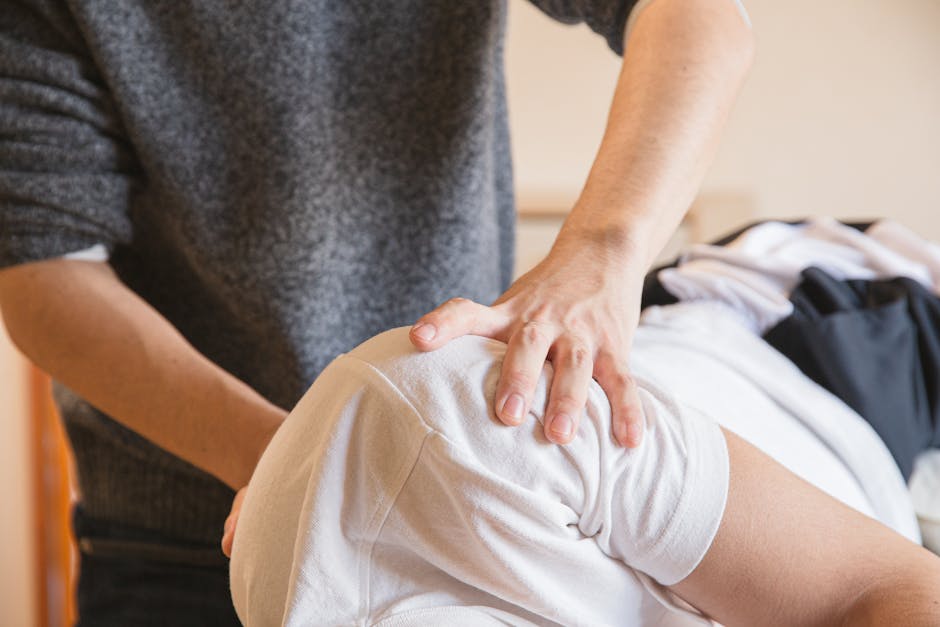
Chiropractors in Schenectady often help patients manage joint issues, especially those involving back or neck discomfort. Gentle adjustments help restore joint motion and alignment, which can minimize unnecessary joint cracking and improve your comfort—whether you’re an office professional downtown, an athlete, or a retiree enjoying the region’s beautiful parks.
Frequently Asked Questions About Cracking Joints
Here are some quick answers to common local search queries:
- Why do my knees crack when I walk up the stairs at Union College?
This is usually due to normal cavitation or tendon movement. If there’s no pain or swelling, it’s nothing to worry about.
- Is it bad to crack your neck after a long commute to Albany?
Occasional self-manipulation isn’t harmful, but avoid forceful or repetitive neck cracking. If you have pain or dizziness, consult a professional.
- Should kids who crack their knuckles be stopped?
There is no evidence it harms developing joints, but it’s worth teaching kids about moderation.
The Bottom Line for Schenectady Residents
Cracking your joints is a normal phenomenon and not a sign of serious disease for most people. If your sounds are not accompanied by pain or swelling, there’s little reason for concern. Embrace a proactive approach to joint health by staying active, hydrated, and maintaining good posture—habits that fit right into the diverse lifestyle of Schenectady.
However, if you ever feel uncertain about your joint health, especially if new symptoms arise, don’t hesitate to reach out to a local expert. Together, we can ensure that all those pops and cracks stay in the healthy, normal range—so you can keep enjoying everything our vibrant city has to offer.
