

What Causes Pinched Nerves?
A pinched nerve occurs when surrounding tissues—like bones, cartilage, muscles, or tendons—apply too much pressure to a nerve. This pressure disrupts the nerve’s function, causing pain, tingling, numbness, or weakness.
Locally, residents may encounter pinched nerves from activities and routines common in Schenectady homes and workplaces. Extended hours at a desk or on a computer, repetitive motion in seasonal jobs, heavy lifting during household projects, or falls on icy winter sidewalks are all familiar risk factors in the community.
How Can Posture at Home and Work Prevent Nerve Compression?
Maintaining healthy posture reduces persistent strain on nerves. Sitting or standing with misaligned hips, bent wrists, or a rounded back increases the likelihood that nerves become compressed.
For households and offices in Schenectady:
- Adjust computer screens to eye level to prevent hunching forward.
- Use chairs that support the lower back and keep feet flat on the floor.
- Take breaks to stand, stretch, and walk around after long periods of sitting—especially during cold months when outdoor movement is less frequent.
- If working with hands or doing crafts, keep wrists straight and avoid excessive gripping.
Simple daily habits like these reduce the cumulative wear that often sets the stage for pinched nerves.
Are There Ways to Prevent Nerve Problems from Physical Activity?
Yes, preparation and recovery are vital. Both sports and routine physical chores—such as shoveling snow, gardening, or carrying groceries—pose risks if done incorrectly.
Tips relevant to local lifestyles include:
- Warm up before strenuous activity, even before heading out to clear sidewalks in winter.
- Use proper lifting techniques: bend at the knees, not the waist, and keep objects close to the body.
- Break up repetitive tasks with short rest intervals.
- Wear supportive shoes with non-slip soles to provide stability and prevent falls, especially during icy seasons.
By planning ahead and using safe movement practices, individuals reduce the risk that nerves in the back, shoulders, or wrists become trapped or inflamed.
What Role Does Sleep Play in Nerve Health?
A sleep environment that supports the body’s natural alignment helps prevent overnight nerve compression. In Schenectady’s older homes, beds or mattresses may not always provide ideal support.
Key supports for restful, nerve-friendly sleep:
- Choose a mattress and pillow that promote a neutral spinal position—neither excessively soft nor rigid.
- Avoid sleeping with arms tucked tightly under the head or body, as this may press on nerves.
- If prone to waking with numbness, experiment with different sleeping positions to reduce pressure on shoulders, neck, or hips.
Small changes in bedroom setup can help prevent the kind of repetitive overnight compression that leads to symptoms during the day.
How Does Stress Management Relate to Pinched Nerves?
Chronic stress can cause muscle tension, leading to poor posture and increased risk of nerve impingement. In high-stress seasons, such as winter storms or during busy school events, residents may notice more frequent muscle aches and tension headaches.
Practical strategies for the local community:
- Gentle stretching or yoga at home can relieve muscular tension—an indoor alternative during snowy months.
- Mindful breathing or brief walks around the neighborhood encourage relaxation for both mind and body.
- Regular movement breaks from sedentary tasks prevent stiff, tight muscles from compressing nerves.
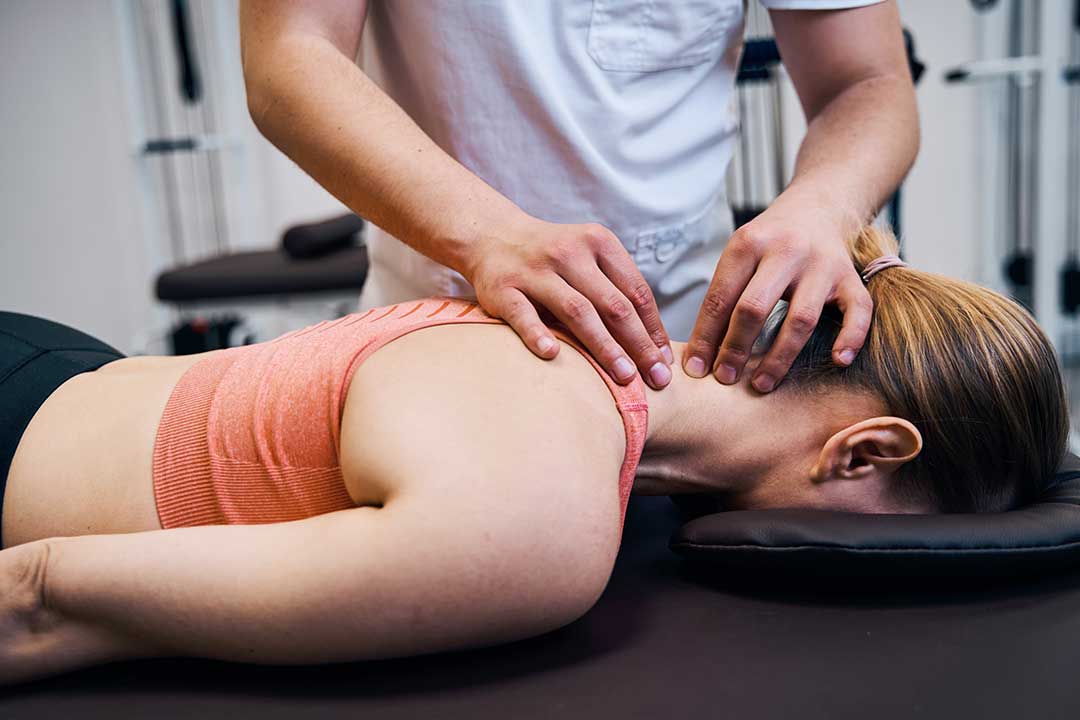
These stress-management practices help not only mental wellbeing but also reduce the muscular tension that can lead to nerve problems.
Can Pinched Nerves Be Prevented During Seasonal Changes?
Seasonal tasks and conditions in the area often require changes in routine. For example, snow shoveling, raking leaves, or handling outdoor gear can introduce repetitive strain.
Prevention tips suited to Schenectady’s seasons:
- Before tackling outdoor chores, perform gentle warm-up movements to increase blood flow to key muscle groups.
- Use ergonomic tools when possible to minimize repetitive strain. Shovels with bent handles or leaf rakes with padded grips can help.
- Dress in layers during cold weather to keep muscles warm and flexible.
- Take frequent short breaks instead of working in long, uninterrupted stretches.
Adapting routines to fit current weather and tasks can help residents avoid the most common nerve stressors tied to the region's seasonal changes.
What Are Common Mistakes People Make That Increase Their Risk?
A few overlooked habits in the community increase the risk of pinched nerves:
- Cradling the phone between ear and shoulder for long calls.
- Sitting with crossed legs for extended periods, especially on couches or soft chairs.
- Ignoring minor, lingering numbness or tingling, believing it will resolve without adjustments.
- Wearing ill-fitting backpacks or handbags that put excess pressure on one shoulder.
By making small corrections to daily routine, area households can limit nerve pressure and reduce the chance of these symptoms becoming chronic.
When Should Self-Care Be Paired with Caution?
While most prevention involves lifestyle and habits, sudden severe pain, progressive weakness, or symptoms that do not improve may require medical attention. For example, if numbness moves to both arms or legs, or if balance becomes affected, these could signal a more serious condition. In those cases, a licensed healthcare provider should be consulted for proper evaluation.
